
How does the Packaging and Packaging Waste Regulation (PPWR) affect packaging design?
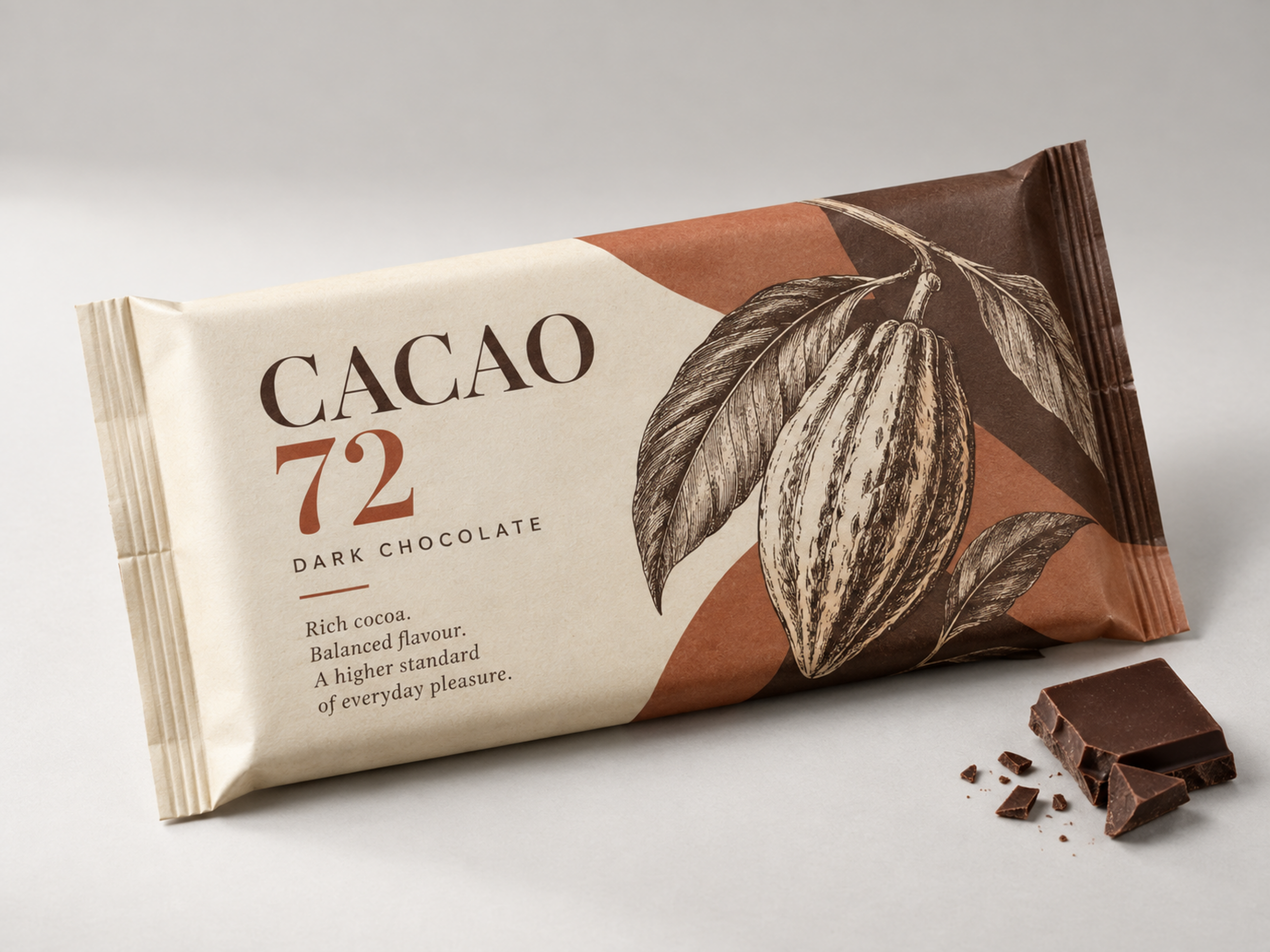
The EU’s new packaging requirements are changing how packaging materials are developed, tested and selected. Jujo Thermal is responding through product development and environmental initiatives at its own production facilities. The company manufactures coated and thermal label papers for packaging, as well as barrier papers for flexible packaging.
What does the PPWR mean in practice?
The European Green Deal aims to make Europe climate-neutral by 2050. The Packaging and Packaging Waste Regulation (PPWR) supports its climate and circular economy objectives by reducing unnecessary packaging, improving packaging recyclability and increasing reuse in specified applications.
Packaging designers will need to assess material use and recyclability more closely alongside packaging safety and performance. As a paper manufacturer, Jujo Thermal provides customers with material data and test results to help them assess the properties of the finished packaging.
The regulation began to apply on 12 August 2026, with requirements being phased in over time. The year 2030 is a key milestone, particularly for recyclability requirements. These requirements also apply to paper packaging and its components, such as labels. Jujo Thermal takes the regulation’s requirements into account when packaging its own products and requires its raw material suppliers to do the same.
Designing for recyclability takes collaboration
Collaboration between material suppliers and packaging manufacturers is important when developing recyclable packaging. Packaging often goes through several converting stages, and verifying the recyclability of an individual material does not guarantee that the finished packaging will be recyclable.
For example, printing inks, adhesives and other layers may be added to Jujo Thermal’s packaging materials during converting, affecting the recyclability of the finished pack. Recyclability must therefore be assessed for the pack as a whole. Recycling also depends on effective collection, sorting and processing, as well as clear sorting instructions for users.
Alongside recyclability, packaging must protect its contents, perform reliably on the packaging line and withstand transport and handling. In food packaging in particular, material safety and preserving the product’s shelf life are essential. When selecting new materials, packaging teams need to confirm that they are suitable for the intended application and test the relevant properties.
Testing helps verify recyclability
Jujo Thermal has assessed the recyclability of its SHIELDPLUS® flexible packaging papers using the CEPI test method, which simulates the main stages of paper recycling. Jujo Thermal’s products also meet the applicable PPWR limits for heavy metals and PFAS. PFAS are highly persistent chemicals that have been used, for example, to provide water and grease resistance.
Jujo Thermal aims to provide customers with packaging materials that perform in their intended applications, along with reliable information about their properties. This helps packaging manufacturers and brand owners make informed material choices and respond to changing packaging requirements.
Looking for recyclable, fibre-based packaging materials?
Our team is here to help. We develop our products together with our customers to find the optimal solution for their packaging needs.